









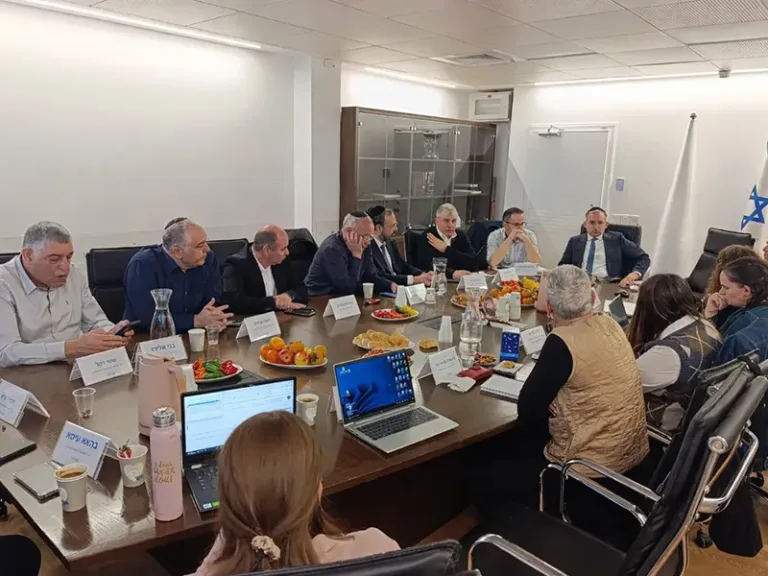
Mate Yehuda, Beit Shemesh, Kiryat Ye’arim, Mevaseret Zion, Tzur Hadassah, and Abu Ghosh are designated to lead the initiative and lay the groundwork for the new cluster, which is expected to generate significant advantages for the participating authorities and the residents of the entire region.
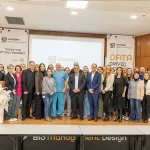
The kickoff meeting was attended by Tomer Moscovitz, Head of the Tzur Hadassah Local Council, Yoram Shimon, Head of the Mevaseret Zion Local Council, Yitzhak Rabitz, Head of the Kiryat Ye’arim Local Council, Qasem Ibrahim, Head of the Abu Ghosh Local Council, Beni Eliraz, CEO of the Abu Ghosh Local Council, Aryeh Bardugo – Treasurer of Beit Shemesh Municipality, Moshe Ohayon, Treasurer of the Mate Yehuda Regional Council, Avichai Navot, Deputy Jerusalem District Commissioner, Israel Kadosh, Authority Supervisor in the Jerusalem District, in the presence of professionals, consultants, and other senior officials from the authorities and the Ministry of Interior.
The process is led by a senior department for regional development in the Ministry of Interior, which provides the authorities with full professional support, from planning and establishment to ongoing operations.
The Jerusalem Gateway cluster is expected to join the 12 regional clusters currently operating throughout the country, which are a central engine for efficiency, strengthening municipal capabilities, and promoting joint services, and include over 70% of local authorities in Israel.
Nadav Lachman Lazar, Director of the Economic Development Administration: “The clusters are a central pillar in the concept of regionalism and in the Ministry’s work to develop and strengthen the economic resilience of local authorities. We welcome the authorities that have joined the initiative and thank our partners from the Ministry, the local government, and various government ministries who are promoting the concept of regionalism.”
Director General of the Ministry of Interior, Israel Oz: “The establishment of the Jerusalem Gateway cluster reflects a concept of regional cooperation and strengthening the municipal space in the Jerusalem area. The cluster model in the Ministry of Interior allows authorities to assist each other, optimize resources, and improve services for residents. I welcome the initiative and the joining of the authorities to the move, which is integrated into the national trend where over 70% of local authorities already operate within clusters – a move that contributes to resilience, efficiency, and regional development.”
Related Topics